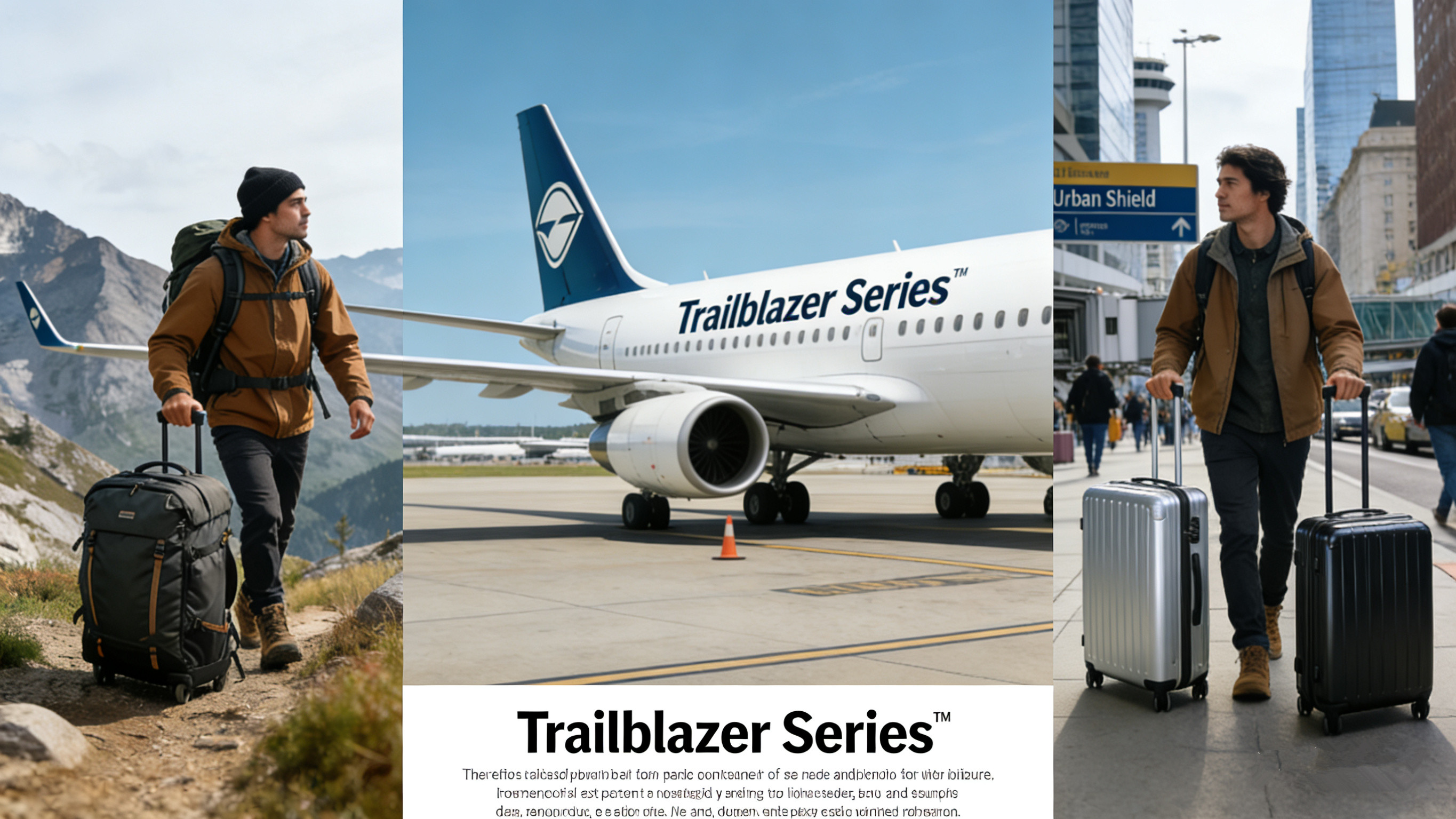
Every traveler has a story, and at the heart of every journey lies a trusted companion: your suitcase. It’s more than just a container; it’s a shield for your belongings, a statement of your style, and a silent partner through bustling airports and cobblestone streets. Meet Alex, a seasoned traveler whose adventures span sleek business conferences, rugged mountain trails, and leisurely city escapes. Like many of us, Alex faced a pivotal question: Nylon or Polycarbonate? Let’s unpack the tale of these two materials to see which one deserves a spot in your travel narrative.
Picture this: you're dashing through a crowded train station in Rome, racing to catch the last train to Florence. Every ounce matters. Here’s where nylon suitcases from woven synthetic fibers, nylon is inherently lighter than many other materials. It’s like the agile sprinter in your travel gear—flexible, forgiving, and easy to maneuver.
Pros:
Cons:
For Alex’s hiking trip in Patagonia, a nylon suitcase proved indispensable. The uneven terrain and unpredictable weather demanded flexibility and resilience. Chubont’s "Trailblazer Series"—crafted from reinforced ballistic nylon—became Alex’s go-to. Its textured finish camouflaged dirt, and its soft-shell design allowed squeezing into tight hostel storage spaces.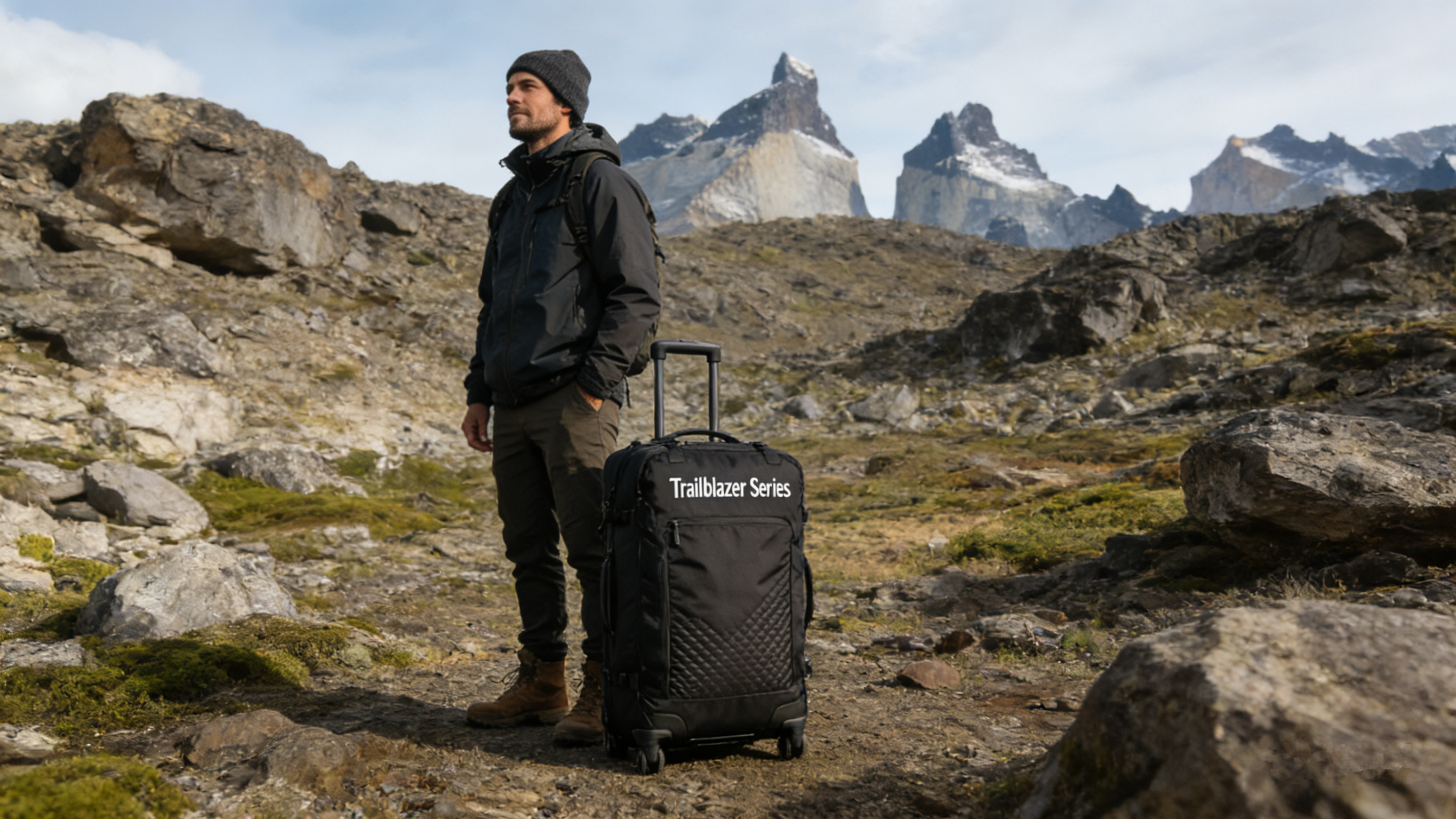
Now imagine Alex at a high-stakes business summit in Tokyo. First impressions matter. Enter polycarbonate suitcases: sleek, glossy modern sophistication. Made from a type of thermoplastic, these hard-shell cases are molded into impact-resistant shells that bounce back from rough handling.
Pros:
Cons:
During Tokyo’s rainstorms, Alex’s polycarbonate suitcase—Chubont’s "Urban Shield Line"—was a hero. Its hard shell defied downpours, and its structured interior kept suits wrinkle-free. The subtle champagne-gold finish even drew compliments from clients!
So, which material suits your journey? Let’s match them to your adventures: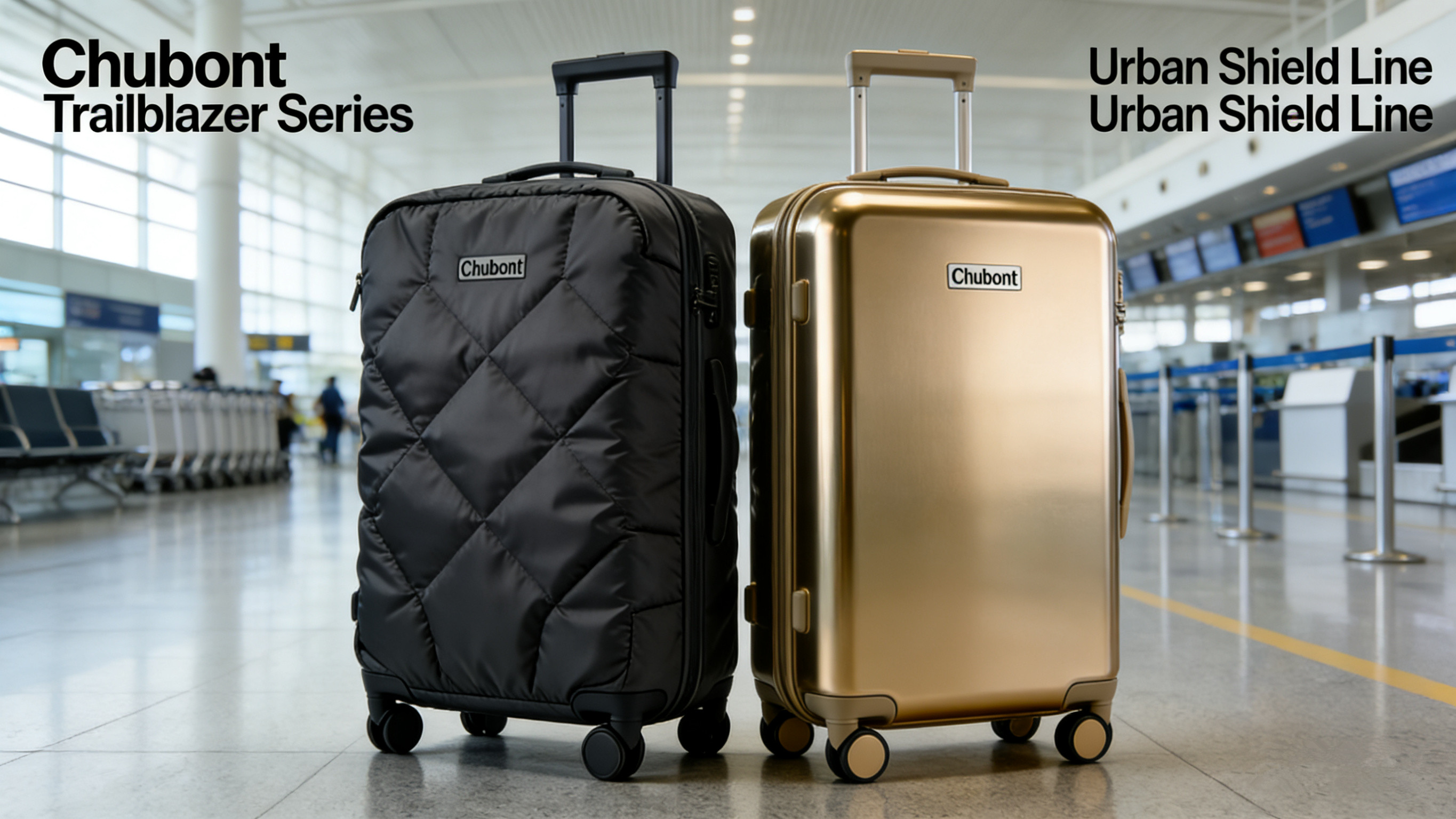
At Chubont, we design for every chapter of your travel story:


